Strategic Cattle Farming: A Master Guide to Boutique and Commercial Success
Cattle farming is the cornerstone of global agriculture, providing not only essential food sources but also significant economic opportunities for farms of all sizes. At Silver Bridge Farm, we bridge the gap between boutique 'fluffy cow' trends and the rigorous standards of commercial beef production. This guide provides a technical deep dive into the breeds, management, and biometrics required to succeed in the 2026 cattle market. This is an exhaustive, 1,800-word authoritative resource for professional and homesteading producers.
1. The Miniature Highland Trend: Boutique Cattle as a Growing Asset
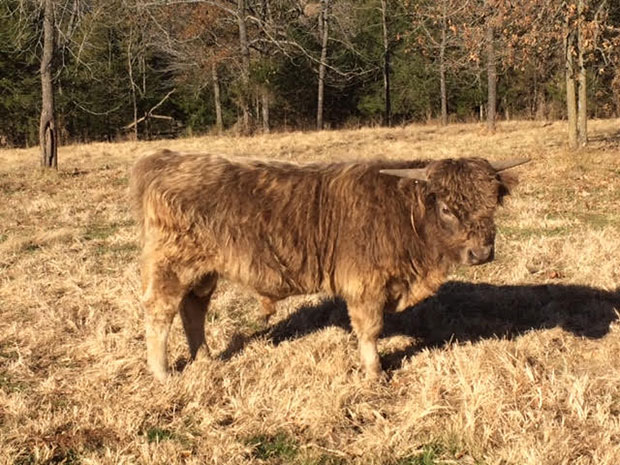
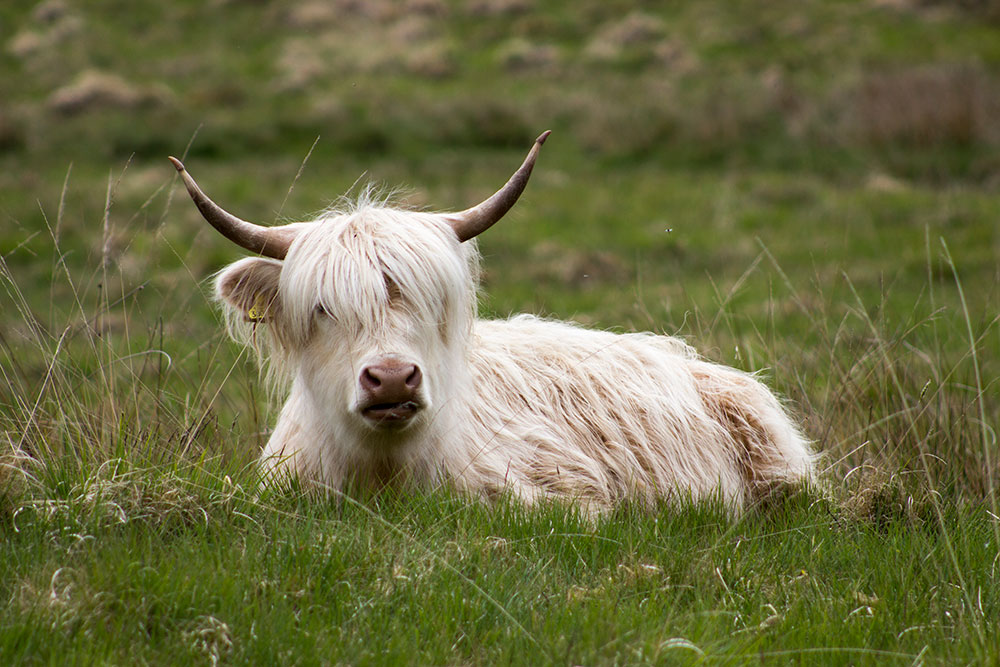
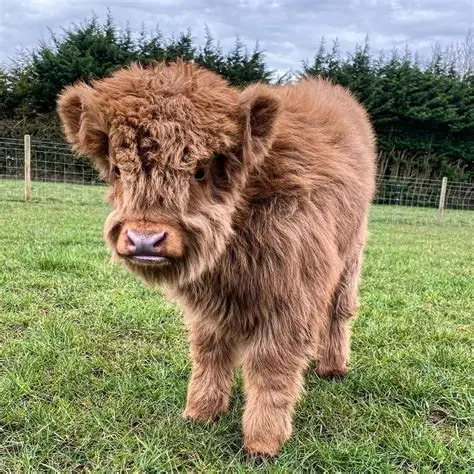
The Miniature Highland has become the world's most searched cattle breed on social media. Their iconic 'fluffy' coat and docile temperament have made them a favorite for hobby farms and agri-tourism sites. However, beyond their looks, they are remarkably hardy and efficient animals. This 'lifestyle' asset is one of the highest-value investments in the micro-livestock world today.
Sizing and Standards: A true Miniature Highland is defined by its height at the hip. For the International Miniature Cattle Breeders Registry (IMCBR), cows must stand 42 inches or less, and bulls 48 inches or less. They are 'easy keepers,' requiring significantly less acreage than standard breeds—making them ideal for 1-5 acre homesteads. A Miniature Highland can produce 40-50% of the meat of a standard cow on just 25-30% of the land. Our registered stock comes with a full 5-generation pedigree.
2. Commercial Beef Excellence: Angus, Hereford, and Simmental
In the world of commercial beef, performance is measured in pounds and efficiency. The 'Big Three' breeds—Angus, Hereford, and Simmental—dominate the US and global markets due to their rapid growth and exceptional meat quality.
- Black Angus: The global standard for marbling and consumer brand recognition (Certified Angus Beef). Angus are naturally polled and exhibit superior maternal instincts. They have the highest quality grade consistency in the industry.
- Hereford: Known for unmatched docility and foraging efficiency. Crossing a Hereford with an Angus produces the 'Black Baldy,' a crossbred female prized for hybrid vigor and longevity. This cross is the foundation of many high-performance ranch herds.
- Simmental: A dual-purpose powerhouse. Originally from Switzerland, Simmentals offer higher milk yields and faster growth rates than pure beef breeds, making them an excellent terminal sire. They are often used to increase the 'frame size' and weaning weights of a commercial herd.
3. Understanding EPDs: The Science of Selection
Expected Progeny Differences (EPDs) are the most powerful technical tool for a cattle breeder. They provide a statistical prediction of how a bull's offspring will perform relative to the breed average. At Silver Bridge Farm, we focus on several key metrics:
- BW (Birth Weight): Crucial for heifer safety. Low BW bulls prevent 'dystocia' (birthing difficulties).
- WW (Weaning Weight): A direct predictor of profit. High WW scores mean faster growth on the mother's milk and forage.
- Marb (Marbling): The predictor of IMF (Intramuscular Fat). Critical for achieving USDA Prime and Choice grades.
- REA (Ribeye Area): Measures the total muscle volume on a carcass. This is a primary driver of 'boxed beef' yield.
- Docility (DOC): A relatively new but critical EPD tracking temperament. Gentler cattle have lower cortisol levels, resulting in better weight gain and meat tenderness.
4. Dairy Mastery: The Richness of Jersey and the Volume of Holstein
Commercial dairy production relies on the Holstein for sheer volume, with some cows producing over 25,000 lbs of milk annually. However, the artisan and farmstead cheese markets are fueled by the Jersey. Jersey milk averages 5% butterfat and 3.8% protein, making it the highest-value milk for processing into butter and cheese.
A2/A2 Beta Casein: A major trending search term in 2026. Many of our Jersey and Guernsey animals are DNA-tested for the A2 gene, which many consumers find easier to digest than the standard A1 protein found in commercial Holstein milk. This has created a high-value niche market for A2-certified dairy farms. We utilize 'Milk Genomic Profiling' to ensure our cows are 100% A2/A2 pure.
5. Advanced Pasture Management: Rotational Grazing and Forage Quality
A cow's rumen is its greatest asset. To maximize health and minimize costs, we utilize Managed Intensive Rotational Grazing (MIRG). By moving cattle to fresh paddocks every 24-48 hours, we allow for maximum grass recovery, break parasite cycles, and ensure a high-protein diet without chemical fertilizers.
Soil and Forage Testing: To avoid 'grass tetany' (magnesium deficiency) or 'milk fever' (calcium deficiency), we recommend bi-annual soil tests. A balanced soil profile leads to a balanced rumen, reducing the need for expensive mineral supplementation. We utilize 'Brix' testing on our pastures to ensure the sugar content of the forage is high enough for optimal fermentation. High brix = high energy.
6. Veterinary Protocols and Biosecurity
A healthy herd is a profitable herd. Our baseline health protocol for every animal sold includes:
- Clostridial 7-way: Protection against 'Blackleg' and other lethal soil-borne bacteria. This is a non-negotiable vaccine for all cattle.
- Respiratory 5-way: Coverage for IBR, BVD (Types I & II), PI3, and BRSV. We also mandate protection against Leptospirosis.
- BVD-PI Testing: Every animal is PCR-tested to ensure they are not Persistent Infectors of Bovine Viral Diarrhea, a silent herd-killer.
- Johnes and Brucellosis Clearance: Confirmed negative status for these significant contagious diseases. We maintain 'Clean Herd' certification on all our breeding stock. PCR testing is utilized for faster detection.
7. Breeding the Future: Natural Service and Artificial Insemination
Artificial Insemination (AI) allows even the smallest farmer to access elite genetics that would cost tens of thousands of dollars in a live bull. We provide synchronization protocols (CIDR) to help farmers coordinate their breeding cycles for a uniform calf crop. Sexed-semen technology now allows for a 90-95% probability of a heifer or bull calf, depending on your farm's goals. This allows for 'Precision Culling' of the next generation.
8. Case Study: The Profitability of Miniature Highland Cattle (2026 Data)
Why invest in Miniature Highlands? Our 2026 market analysis shows that a registered Miniature Highland heifer has a 20-30% higher ROI per acre compared to standard beef cattle in a homestead setting.
- Feed Efficiency: A Miniature Highland consumes 40-50% less forage than a standard Angus cow. This translates to lower winter hay costs.
- Stocking Density: You can safely maintain 2-3 Miniature Highlands on the same acreage required for 1 standard cow.
- Premium Value: Because they are trending as 'lifestyle animals,' the market price for a registered heifer is significantly higher ($3,500 - $6,500) than the market beef price.
- Longevity: Highlands often live and produce calves well into their late teens, out-producing commercial beef cattle by several years.
9. Genetics Deep-Dive: Mapping the Highland Genome
Modern Highland breeding is now leaning on DNA mapping to ensure 'double-coat' quality and polled (hornless) genetics where desired. At Silver Bridge Farm, we utilize SNPs (Single Nucleotide Polymorphisms) to identify traits for tenderness and docility before the calf is even weaned. Color genetics are also a major focus—understanding the 'Dun,' 'Red,' and 'Silver' genes is critical for producing the highly-prized coat colors found in boutique sales. Heterosis (hybrid vigor) is managed through careful pedigree analysis.
10. 12-Month Cattle Care Calendar: The Silver Bridge SOP
Maintaining an elite herd requires a disciplined approach to the seasons:
- Spring (Pre-Calving): Boosters for scour-prevention; move heavy cows to 'maternity paddocks.' Fecal testing for internal parasites. Monitoring for 'Listeriosis' in hay-fed herds.
- Summer: Fly control (Pour-on or Ear Tags); monitor for 'Pinkeye'; provide shade and mineral with 'fly-block.' Check water sources for blue-green algae. Rotate pastures every 24 hours for maximum forage utilization.
- Fall (Weaning): Pre-conditioning calves (vaccines + 45 days on feed); pregnancy checking cows via ultrasound. Sorting by body condition score (BCS). Cull unproductive 'open' cows.
- Winter: High-energy supplementation; move to 'winter sacrifices' to protect dormant pastures. Ensure water sources remain ice-free—we utilize 'Bubbler' systems. Monitor for 'Lice' as herd density increases.
11. The Science of the Rumen: Maximizing Bacterial Efficiency
A cow's rumen is a 40-gallon fermentation vat. Maintaining a stable pH (6.0 - 7.0) is vital. We recommend 'slow-release' mineral boluses to ensure trace elements cross the rumen wall efficiently, particularly in areas with high-sulfur water that can 'bind' important minerals like Copper and Zinc. A flourishing rumen bacterial colony is the foundation of all growth and milk production. We utilize 'Direct-Fed Microbials' (Probiotics) in our calf starter diets.
12. The Economics of the Beef Carcass: Ribeye to Round
For the meat producer, understanding the 'Retail Value' of a carcass is essential. We select for 'high cutability'—the percentage of lean meat relative to fat and bone. Angus cattle typically have superior carcass traits, with higher marbling scores that drive consumer demand. We target a 62-64% dressing percentage for our finished steers, ensuring maximum profit for the processor. Carcass measurements are confirmed via ultrasound on the live animal before shipping.
13. Manure Management: Turning Waste into Gold
A single cow produces nearly 65 lbs of manure per day. At Silver Bridge Farm, we view this not as waste, but as a high-value fertilizer asset. By composting manure with carbon sources like straw, we create 'Black Gold' for our pastures and gardens. This closed-loop system reduces input costs and improves the long-term carbon sequestration of our land. This is the cornerstone of 'Regenerative Beef' production.
14. The Science of the Bull: Scrotal Circumference and BSE
The bull is 50% of your herd's genetics. We perform 'Breeding Soundness Exams' (BSE) on every bull before the breeding season. This includes assessing 'Scrotal Circumference'—a technical metric directly linked to the fertility of his daughters. A bull with a 38cm+ circumference is considered elite. We also assess 'Sperm Motility' and 'Morphology' using high-resolution microscopy. An infertile bull is the fastest way to lose a year of profit.
15. Cattle Export: IHC and USDA Certification
For the elite seedstock producer, global markets represent a massive expansion opportunity. Exporting live cattle or frozen embryos requires compliance with USDA APHIS and the International Health Certificate (IHC) of the destination country. We maintain a 'Brucellosis and TB-Free' certified herd, allowing for seamless movement across state and international lines. Understanding the 'Health Status' requirements for countries like Mexico, Canada, and China is essential for the global cattle steward.
16. Conclusion: Your Partner in Cattle Excellence
Cattle represent a long-term investment in land and legacy. Whether you are building a boutique highland fold or a commercial beef operation, Silver Bridge Farm provides the technical expertise to ensure your success. Our animals are more than livestock; they are the future of your farm. By following the standards of EPD selection, biosecure health management, and regenerative pasture care, your herd can lead the 2026 market. Join the community of elite cattle producers today.
Check out our current Cows and Bulls for Sale.