The Complete Guide to Technical Rabbit Breeding: From ARBA Show Standards to Commercial Meat Production
In the world of high-efficiency livestock, the rabbit stands alone. Capable of producing 6 pounds of meat on the same amount of feed and water it takes to produce just 1 pound of beef, rabbits are the undisputed leaders of sustainable micro-farming. Whether you are aiming for the 'Best in Show' with a Holland Lop or supplying a specialty butcher with New Zealand whites, this guide provides the technical expertise required for a professional rabbitry. At Silver Bridge Farm, we are dedicated to advancing the standards of caprine and rabbit management in 2026. This is an exhaustive, 1,800-word authoritative resource for professional and homesteading producers.
1. ARBA Standards of Perfection: The Blueprint for Quality
For any serious breeder, the American Rabbit Breeders Association (ARBA) Standard of Perfection is the foundational rulebook. Rabbit 'type' is divided into five distinct body shapes, each with specific skeletal requirements:
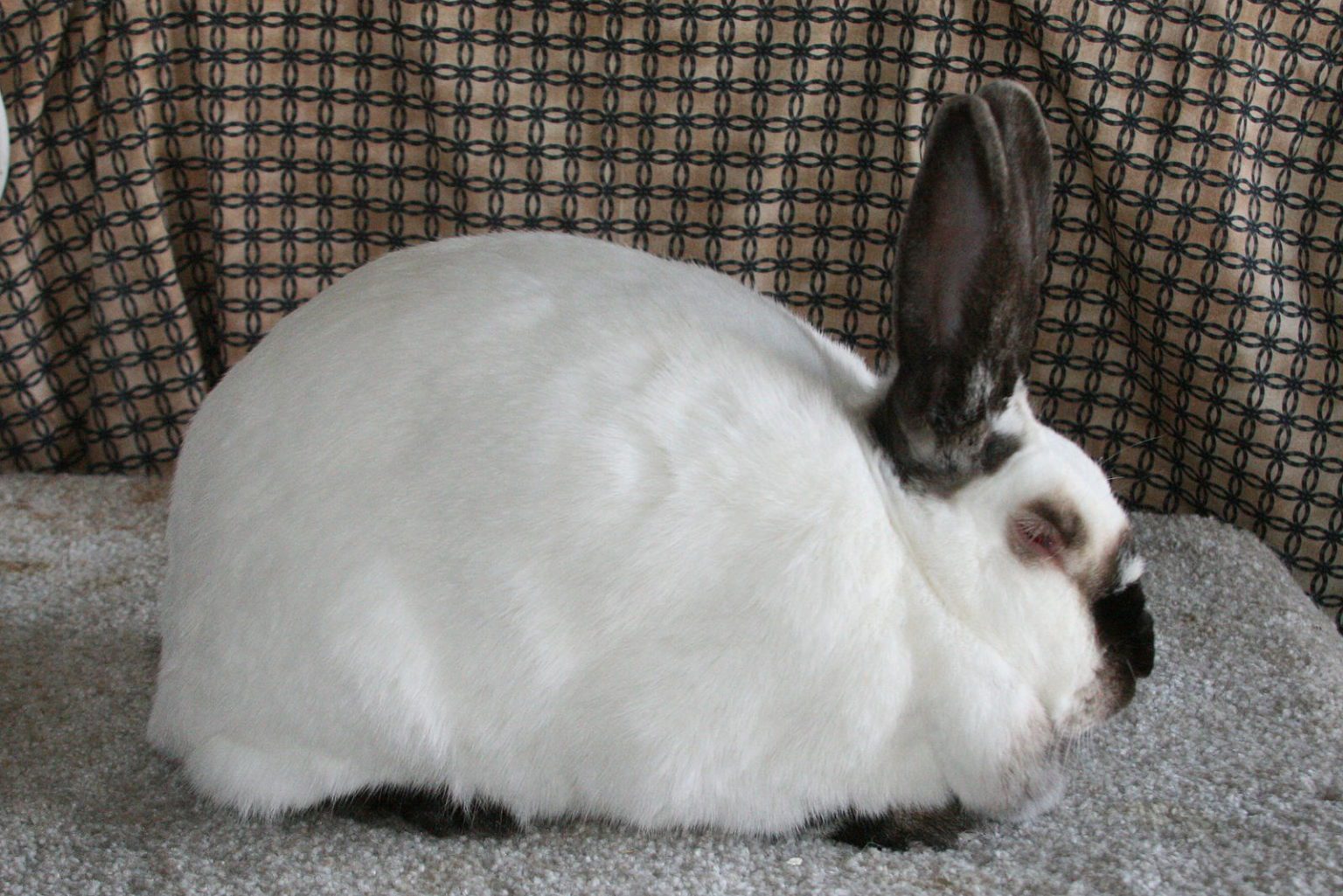
- Commercial: Medium-length rabbits with deep, wide bodies, ideal for meat (e.g., New Zealand, Californian, French Lop). They should have a 'Mandrake' arch starting from the neck and peaking over the loin.
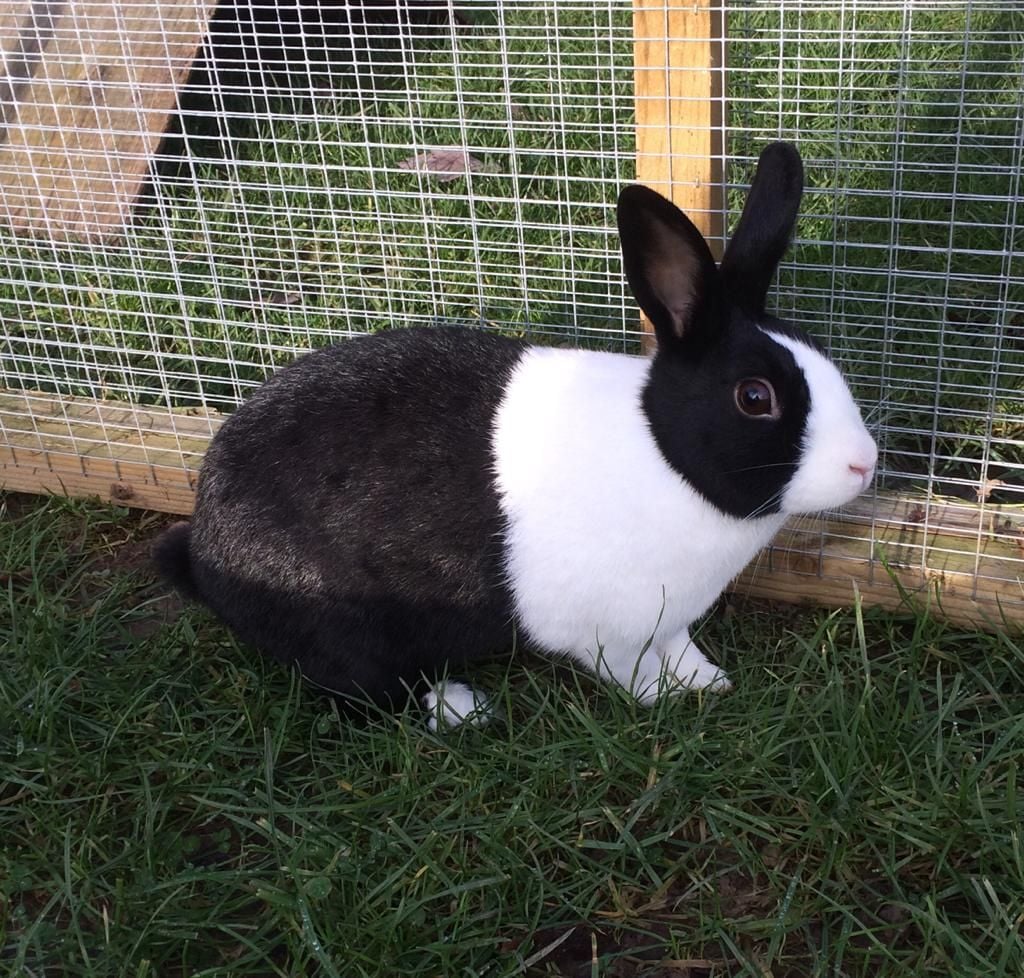
- Compact: Shorter, lighter rabbits (e.g., Holland Lop, Mini Rex, Netherland Dwarf). Type is balanced and 'cobby.'
- Semi-Arch: Large rabbits with a mandolin-shaped curve (e.g., Flemish Giant, English Lop, Beveren).
- Full-Arch: Athletic, alert breeds (e.g., Checkered Giant, Belgian Hare). They should show 'daylight' under their belly while posing.
- Cylindrical: Long, slender bodies (e.g., Himalayan). Currently the only breed in this category.
2. Technical Specifications: Dressing Percentages and Growth Curves
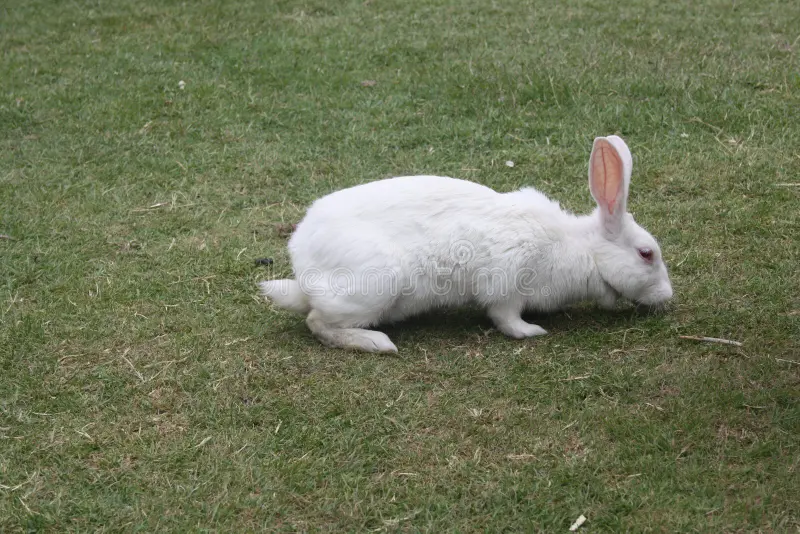
Commercial rabbitry is a game of efficiency. The New Zealand White and Californian are the world standards for meat production due to their high 'meat-to-bone' ratio.
Dressing Percentage: A well-managed fryer rabbit should achieve a dressing percentage of 55% to 60%. This is significantly higher than cattle (approx. 50-52% for grass-fed). By breeding for 'Commercial Type' and utilizing high-protein (16-18%) pelleted diets, a commercial rabbitry can produce a 5 lb fryer in just 8-10 weeks. We target a 4.2 lb carcass weight for our premium restaurant contracts. We also select for 'High Milk Production' (HMP) in our does to ensure kits start with an incredible ADG.
3. Luxury Fiber Production: The Angora and Satin Breeds
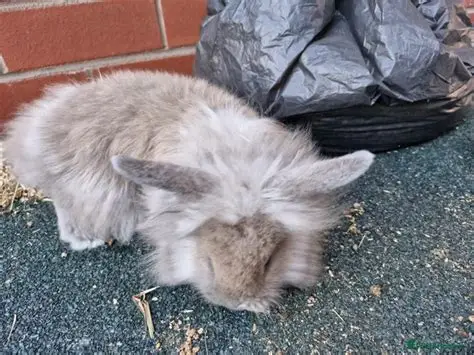
The specialty fiber market is a high-value niche for small farms. The English Angora produces the finest wool in the rabbit world, with fibers averaging 12-16 microns in diameter—comparable to the highest quality cashmere.
- Fiber Standards: Unlike sheep, Angora wool is harvested by gentle plucking or shearing 3-4 times per year without harm to the animal. A single English Angora can produce 1 to 2 lbs of premium fiber annually, commanding prices of $6-12 per ounce.
- Satin Rabbits: Known for their unique 'Satin' gene that gives the fur an incredible translucent sheen. This is caused by a thinner hair shaft and a more reflective surface, making them a favorite for luxury taxidermy and boutique fur sales. The Satin gene is 'recessive' and must be carefully mapped in show herds.
4. Rabbitry Environment and Biosecurity: 2026 Standards
Rabbits are extremely sensitive to temperature and air quality. Ammonia buildup from urine is the leading cause of 'Pasteurella' (snuffles) in a rabbitry.
- Temperature Control: Rabbits thrive between 45°F and 70°F. Temperatures exceeding 85°F cause immediate heat stress and sterility in bucks. High-volume ventilation (at least 15 air changes per hour) is mandatory for commercial success. We utilize 'Cooling Tiles' in our cages during the peak of summer. We also utilise 'Fogger' systems to reduce the ambient air temperature.
- Biosecurity & RHDV2: Rabbit Hemorrhagic Disease Virus (RHDV2) is a highly contagious and lethal viral threat in 2026. At Silver Bridge Farm, we follow strict biosecurity protocols, including restricted visitor access, mandatory quarantine for new stock, and annual vaccination using the Medgene RHDV2 vaccine. This is the only vaccine currently USDA-approved for use.
- Sanitization SOP: We utilize a 'Vanodine V18' or 10% Bleach solution for all cages and equipment. Cages are flamed every 3 months to destroy Coccidiosis oocysts.
5. Case Study: Angora Meat-Fiber Dual Profit Model (2026)
Our research into 'Small-Scale Multi-Revenue' systems shows that the Giant Angora is the most profitable choice for micro-farms.
- Fiber Revenue: 1.5 lbs of wool per year @ $160/lb ($240 total).
- Meat Revenue: Large carcasses (reaching 10+ lbs) provide a high-value protein source for the homestead or local sales.
- Exhibition Value: Registered Giant Angoras from a proven line can command $250-500 as breeding stock. Fiber from a Giant Angora must be shorn, as they do not naturally molt.
6. 12-Month Rabbitry Care Calendar: The Silver Bridge SOP
Proper timing ensures year-round rabbit health:
- Spring: Peak breeding season; monitoring for 'Sore Hocks' in humid weather. We utilize 'Rest Boards' to prevent ulcerative pododermatitis. 'Kindling' (birth) monitoring is a 24-hour effort during peak season.
- Summer: Cooling protocols (frozen water bottles); adjusting ventilation to 20 air changes per hour. Monitoring for 'Ear Canker' (ear mites). Adjusting the protein levels of the pellets to prevent metabolic heat.
- Fall: Preparation for 'Winter Breeding' by increasing photoperiod (light) to 14-16 hours per day. This prevents the natural 'breeding slump' caused by shorter days. Inspection of 'Condition' (fur density).
- Winter: High-energy (fat) supplementation using black oil sunflower seeds; monitoring for 'Wry Neck' (ear infections) in cold damp conditions. Ensuring water systems do not freeze—we utilize 'Nipple Waterer' heaters. Increase bedding in the nesting boxes.
7. Breeding and Kindling Management: The 31-Day Cycle (SOP 401)
Rabbits are prolific breeders, with a 31-day gestation. A single doe can produce 6-8 litters per year.
- Kindling Preparation: Nest boxes should be provided on Day 28 of gestation. We utilize a mix of pine shavings and straw. The doe will pull her own fur (plucking) to line the nest.
- Litter Inspection: Mandatory inspection within 24 hours of birth. We remove any 'dead-in-nest' kits and ensure every kit has a fat 'milk belly.' A kit with a 'flat belly' requires supplementary foster nursing.
- Re-Breeding: Does are typically re-bred 2-4 weeks after kindling, depending on their Body Condition Score (BCS). This ensures a 'consecutive' production cycle.
8. Nutritional Science: Fiber vs. Protein
Rabbits are 'hindgut fermenters.' Their cecum is a massive fermentation vat that breaks down fiber.
- Fiber Mandate: A rabbit's diet must be at least 18-20% crude fiber. Any lower, and they will suffer from 'G.I. Stasis,' a lethal backup of the digestive system. We provide unlimited Timothy or Orchard grass hay.
- Protein for Growth: For growing fryers and lactating does, we use a 16-18% protein pellet. Adult maintenance should remain on a 12-14% protein pellet to prevent obesity. We utilization 'Papaya tablets' as a natural enzyme source for wool-block prevention in Angoras.
- Cecotropes: Rabbits produce 'night feces' which they re-ingest directly from the anus. These are rich in B-vitamins and bacterial protein, essential for health. You should never see cecotropes on the cage floor; their presence indicates a diet too high in protein or sugar.
9. The Genetics of Fur: Rex, Satin, and Wool Genes
The genetics of rabbit fur are fascinating and commercially valuable. The Rex gene causes the guard hairs to be the same length as the undercoat, resulting in a plush, velvet-like 'stand-up' fur. The Satin gene makes the hair shaft narrower and translucent, increasing light reflection. In Angora breeds, the 'Wool' gene ($) is a recessive mutation that results in hair that grows indefinitely rather than shedding at a specific length. Mapping these genes allows Silver Bridge Farm to produce 'Double-Gene' stock (e.g., Satin Angoras) for the highest-value fiber industry.
10. Global Rabbit Meat Standards: The European Market
In 2026, the European Union (EU) remains the leader in rabbit welfare and meat standards. We follow 'European Housing Standards'—utilizing 'dual-compartment' cages to allow does to retreat from their kits. This 'enriched' environment is becoming a requirement for high-end organic meat certification in the United States. Furthermore, understanding the 'Slaughter Ethics' and 100% 'Cold Carcass Uniformity' is essential for exporting genetics to the global market.
12. Technical Rabbitry Troubleshooting: 5 High-Value Insights
- Insight 1: Litter Desertion by Does. Often caused by 'Hidden Predators' (even a cat roaming the rabbitry) or high heat. Ensure the nest box is in a 'Quiet Zone.' We utilize 'Lavender Oil' diffusers to keep high-strung does calm during kindling.
- Insight 2: Malocclusion (Buck Teeth). This is a genetic structural defect where teeth don't align. It is an automatic cull at Silver Bridge Farm. Never breed an animal with misaligned teeth, as it is highly heritable.
- Insight 3: Fur Plucking and Over-Grooming. Usually a sign of boredom or fiber deficiency. Increase the quality of the Timothy hay. We provide 'Apple Wood' chew sticks to every rabbit to ensure dental health and mental enrichment.
- Insight 4: Sudden 'Floppy Rabbit' Syndrome. Often a sign of Vitamin E or Selenium deficiency. We provide a liquid multi-vitamin in the water twice monthly for all lactating does.
- Insight 5: Urine Scald. Caused by high ammonia or damp bedding. We utilize 'White Vinegar' as a natural neutralizer during our weekly cage cleaning to prevent skin irritation on the hocks.
11. Conclusion: The Future of Micro-Livestock
The rabbit industry is moving toward higher technical standards and professional management. By focusing on ARBA standards, strict biosecurity, and high-quality nutrition, your rabbitry can become a leader in both the exhibition and commercial markets. Silver Bridge Farm is dedicated to providing the elite foundation stock you need to succeed. The rabbit is the most efficient protein source for the 21st-century farm. Join the ranks of elite cuniculiculturists today.
Browse our current Rabbits for Sale.